
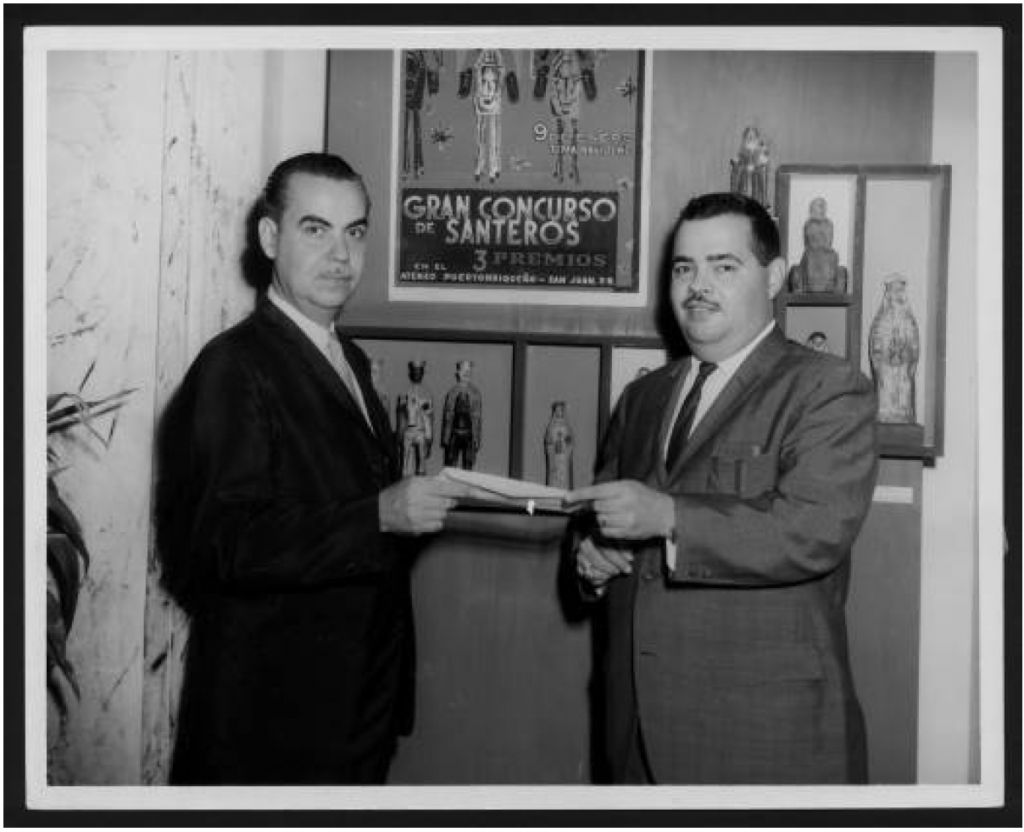
Colección de Fotos del Periódico El Mundo. [Ricardo Alegría recibiendo donativo de la compañía ESSO para la adquisición de obras de arte] n/d. Texto completo / Full textPDF / EPUB Título: El Salón Esso para artistas jóvenes: Puerto Rico (1964)Title: The Esso Salon for Young Artists: Puerto Rico (1964) Autor / Author: Ana Hilda Figueroa de Jesús […]
Category Archives: Artículos
Artículos
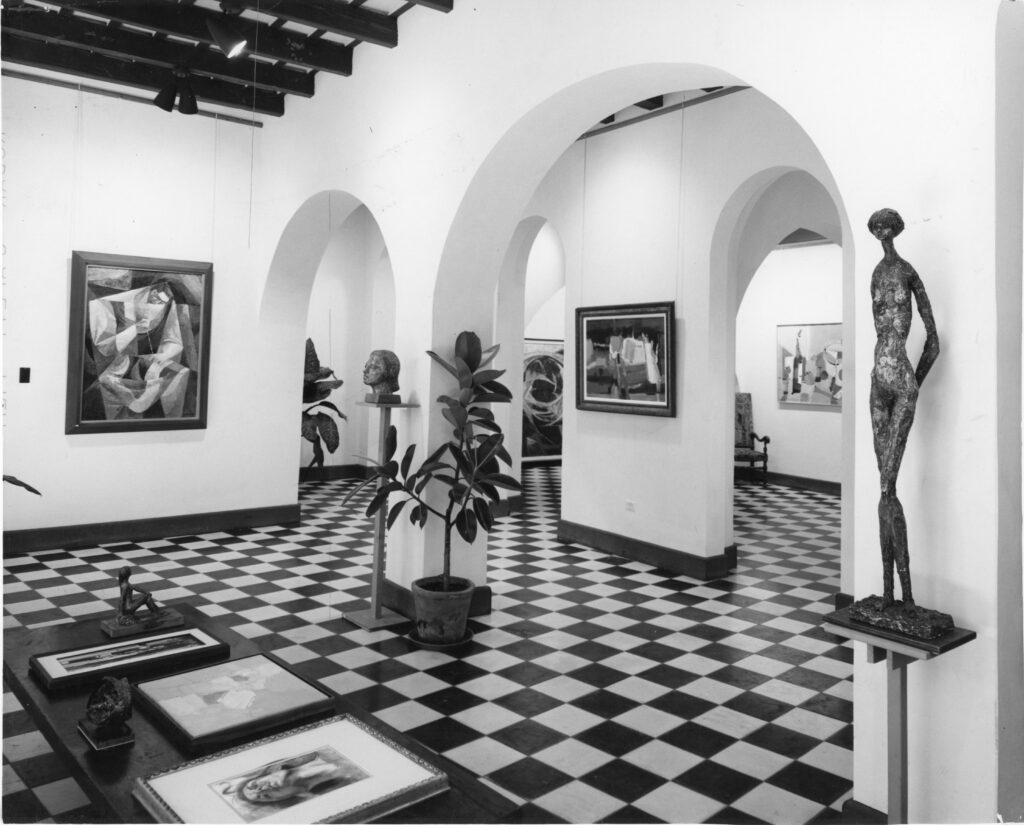
Ketty Rodríguez y La Casa del Arte: innovación, modernidad y mercado en la escena artística del Viejo San Juan (1961–1970)
25
Mar
Mar
Resumen: Este ensayo explora los primeros diez años de La Casa del Arte (f. 1961), galería ubicada en el Viejo San Juan,
y su rol clave en la creación del mercado del arte en Puerto Rico durante los años 60. Destaca la visión de su directora,
Ketty Rodríguez, cuyo enfoque en un contexto de modernización y crecimiento de la clase media, promovió tanto a
artistas consagrados como emergentes, cultivando nuevos coleccionistas y estableciendo un modelo de compromiso
cultural y filantrópico que transformó la escena artística local.
Abstract: This essay explores the first ten years of La Casa del Arte (f.1961), a gallery located in Old San Juan, and
its key role in the creation of the art market in Puerto Rico during the 60’s. It highlights the vision of the director, Ketty
Rodríguez, whose perspective during a time of modernization and middle-class growth promoted established artists as
well as emergent ones, developing new collectors and establishing a model of cultural and philanthropic compromise that
transformed the local art scene.
20
Jun
Jun
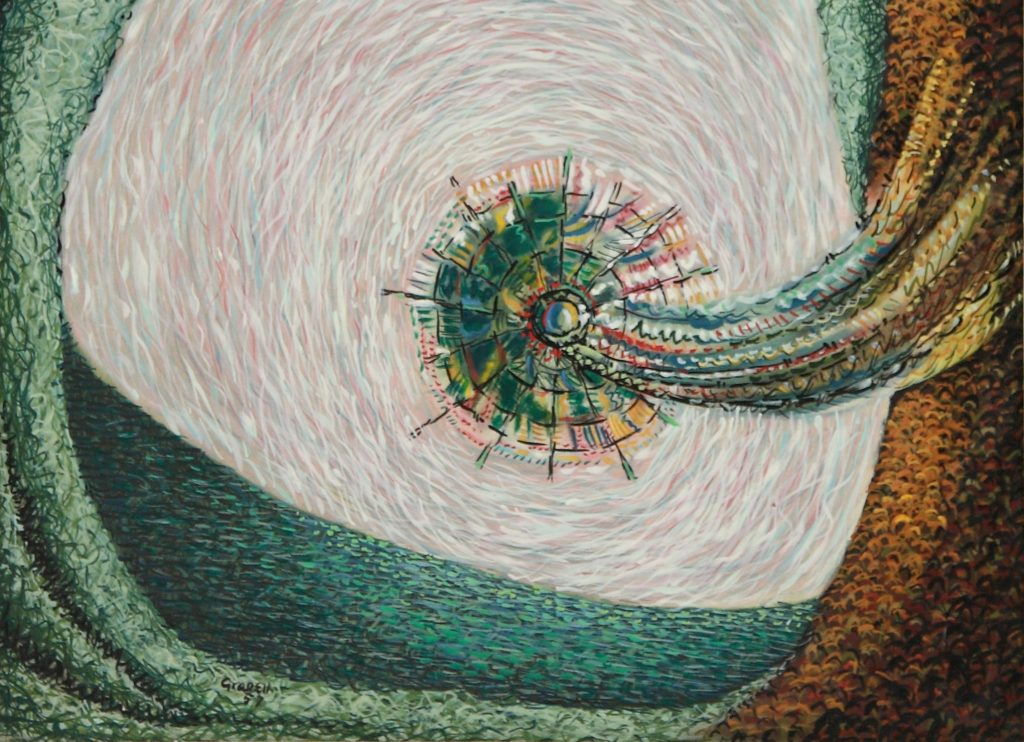
Resumen: La figura de Eugenio Fernández Granell y su producción artística a lo largo de su periodo docente, como catedrático en la Universidad de Puerto Rico, Recinto de Río Piedras (1950-1957), es aquí objeto de un análisis crítico. Este estudio explora nuevos ángulos y propone lecturas visuales no solo de su obra, sino también de la de algunos de sus estudiantes, analizando cómo la experiencia del artista en estos años sirvió como puente de transición hacia la contemporaneidad en las siguientes décadas del pasado siglo.
Abstract: Eugenio Granell and his artistic production throughout his teaching period as a professor at the University of Puerto Rico, Río Piedras Campus (1950-1957), is the object of a critical analysis in this essay. The study explores new angles and visual readings of his work and the work of some of his students. These new contemplations analyze how the artist’s experiences and those of his students served as a transitional bridge towards contemporaneity in the following decades of the last century.
Artículos
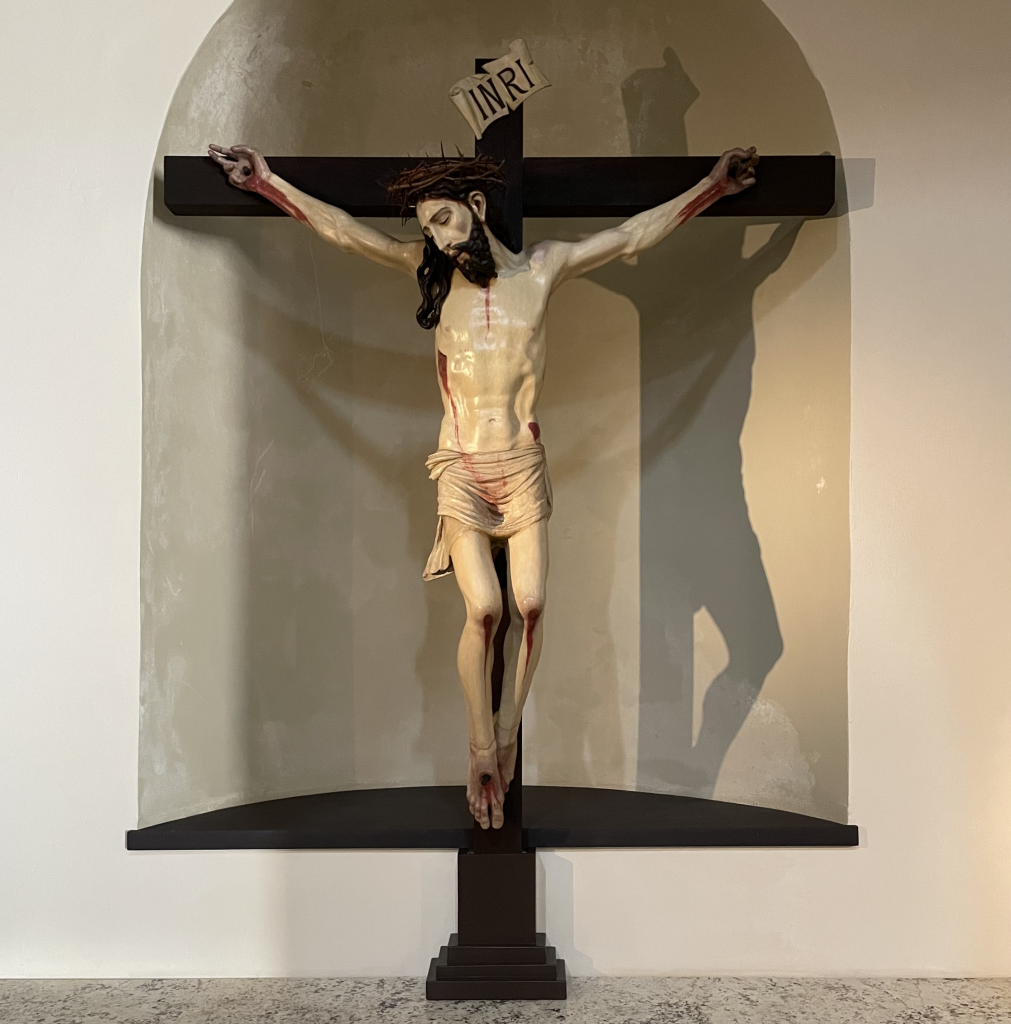
El Cristo de la Ilustre Cofradía del Crucificado y Santa Rosa de Lima: Una posible obra de Roque de Balduque en San Juan de Puerto Rico
10
May
May
Resumen: En la iglesia de San José (San Juan), se conserva una imagen fechable en la segunda mitad del siglo XVI. Se trata, en efecto, de un cristo que, presumiblemente, perteneció a la Cofradía del Crucificado sita en el antiguo monasterio de Santo Tomás de Aquino, y que, debido a la unión con otra corporación piadosa ya en el Ochocientos, pasaría a convertirse en la Ilustre Cofradía del Crucificado y Santa Rosa de Lima. En este artículo, proponemos la autoría de dicha obra al escultor flamenco Roque de Balduque a partir de su análisis formal y comparativo con otras tallas similares, cuyas atribuciones han sido fundamentadas con anterioridad. Destacamos, en paralelo, el papel jugado por Teodora de Castellón en el encargo de la pieza a la Península Ibérica mediante una nueva lectura de su testamento. En él, se revelan datos de interés para una mejor comprensión de las devociones presentes en Puerto Rico a lo largo de este período.
Abstract: The holdings of the Church of San José (in San Juan) include a sculpture dating from the second half of the 16th century. This work, which represents the crucifixion, presumably belonged to the Brotherhood of the Crucifixion, located in the former monastery of Santo Tomás de Aquino, which after merging with another brotherhood in the 19th century would become the Illustrious Brotherhood of the Crucifixion and Santa Rosa de Lima. In this article, we attribute the authorship of this work to the Flemish artist Roque de Balduque based on a formal and comparative analysis with other similar sculptures, the attributions of which have been previously substantiated. We also highlight the role played by Teodora de Castellón in commissioning the sculpture to the Iberian Peninsula through a new reading of her will, which also contains interesting information on of the religious practices in Puerto Rico during this period.
23
Feb
Feb
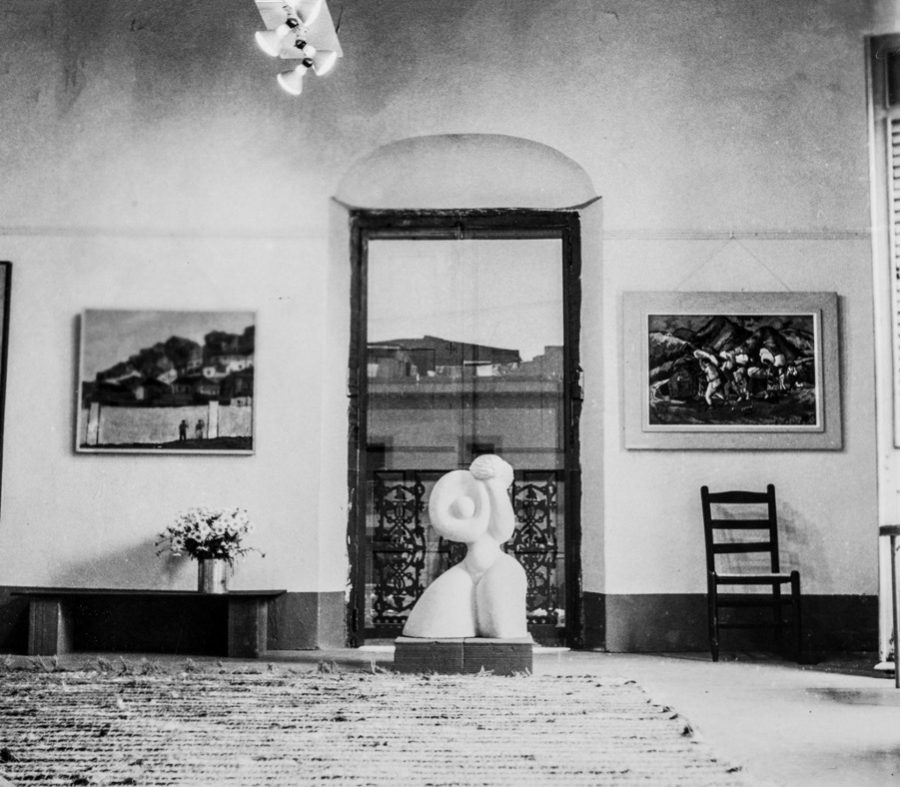
Resumen: El Centro de Arte Puertorriqueño, galería de arte y espacio creativo, fundado en 1950 y conocido por sus siglas (CAP), presentó una propuesta plástica transicional hacia la nueva definición del arte moderno e identitario en Puerto Rico. La gestión de sus artistas fundadores ha sido motivo de numerosas exposiciones y ensayos que demuestran la importancia de su fundación. Entre los eventos relevantes del Centro se celebraron exposiciones, talleres de arte y la publicación de portfolios gráficos asociados a la identidad puertorriqueña y su definición. A pesar de la notoriedad del CAP, hasta el momento no se habían identificado fotografías que definieran la distribución y objetivos de sus facilidades. Después de 73 años de su fundación, el historiador José Correa Vigier rescató las primeras imágenes que ilustran los interiores del CAP, algunos de sus miembros fundadores y asociados, y el contexto y propósitos de sus espacios.
Abstract: The Puerto Rican Art Center, an art gallery and creative space, founded in 1950 and known by its initials (CAP), presented a transitional plastic proposal towards the new definition of modern art and identity in Puerto Rico. The management of its founding artists has been the reason for numerous exhibitions and essays that demonstrate the importance of its foundation. Among the relevant events of the Center were exhibitions, art workshops and the publication of graphic portfolios associated with the Puerto Rican identity and its definition. Despite the notoriety of the CAP, up to now no photographs had been identified that would illustrate the distribution and objectives of its facilities. After 73 years of its foundation, the historian José Correa Vigier rescued the first images that illustrate the interiors of the CAP, some of its founding members and associates, and the context and purposes of its spaces.

31
Dec
Dec
Resumen: La riqueza visual de la producción artística realizada en la Baja Edad Media y la temprana Edad Moderna, con sus mutuas influencias entre Europa y América Latina, es el núcleo que reúne cinco recientes investigaciones en el presente número de la revista. Reflexionando sobre la creación artística en ambos espacios geográficos, a lo largo de los siglos XV y XVI, estos artículos analizan obras de joyería, pintura, escultura y arquitectura, proponiendo rutas que abran nuevas y distintas perspectivas de cara a investigaciones futuras.
Abstract: The visual richness of artworks created in the Late Middle Ages and the Early Modern Age, with their mutual influences crossing between Europe and Latin America, serves as the thematic focus for the five recent investigations in this issue of the journal. Reflecting on the artistic production in both geographical spaces, over the course of the 15th and 16th centuries, these articles analyze works of jewelry, painting, sculpture, and architecture, proposing routes that open new and different perspectives for future research.
Artículos
Beware of the Devil’s Modes of Persuasion: Still Life Painting and Religious Rhetoric in Early Seventeenth Century Spain.
31
Dec
Dec
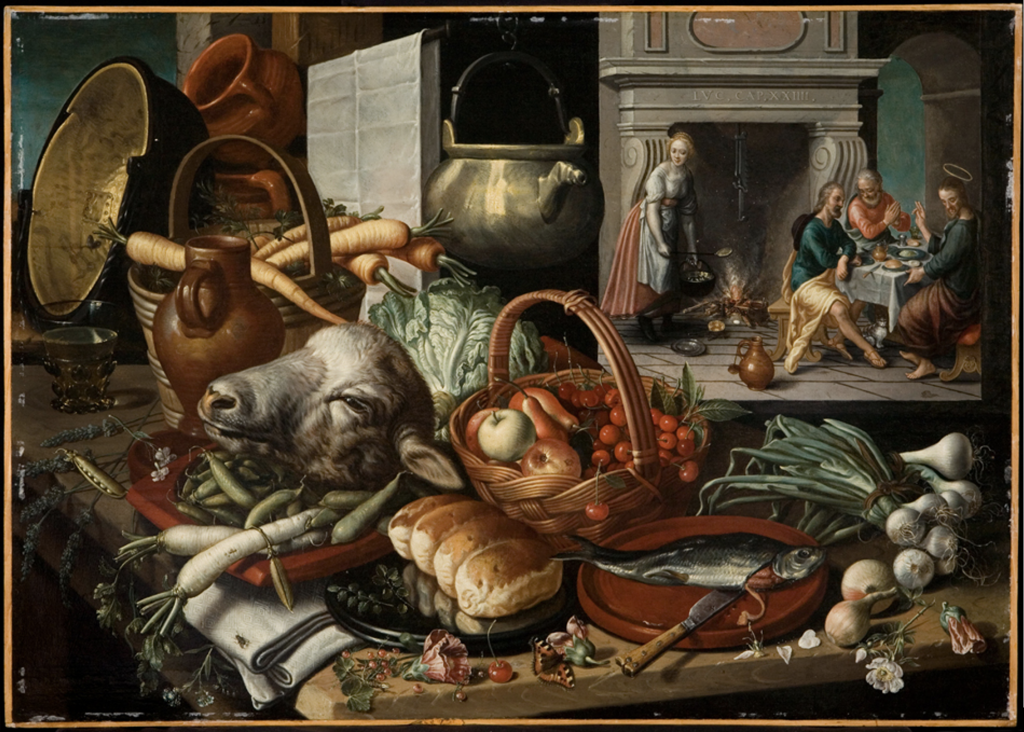
Abstract: This article discusses the relationship between the nascent art of still life painting in Spain and its connections to visual sophisms recurrent in religious literature. It focuses primarily on the still life paintings of the Toledan artist Juan Sánchez Cotán (1560–1627). He is the creator of the first Spanish rendition of these secular artworks which were originally imported to the Iberian Peninsula from Northern Europe. The aim is to explain why his preference for austere compositions, and his achievement of trompe l’oeil in his works aligned with visual cues found in the religious rhetoric of that time.
Resumen: Este artículo plantea la relación entre la pintura de naturaleza muerta en España y el empleo de sofismos en la literatura religiosa. El texto se enfoca primordialmente en los bodegones del artista toledano Juan Sánchez Cotán (1560–1627), creador de la primera interpretación española de cuadros de naturaleza muerta, un arte secular originalmente importado desde el norte de Europa. El propósito del artíulo es explicar su preferencia por una composición sobria y cómo el efecto de trampantojo se relaciona con la retórica religiosa contemporánea.
Artículos
Que lo espero en el otro siglo: pompa, devoción y memoria en las joyas de Isabel I de Castilla
31
Dec
Dec
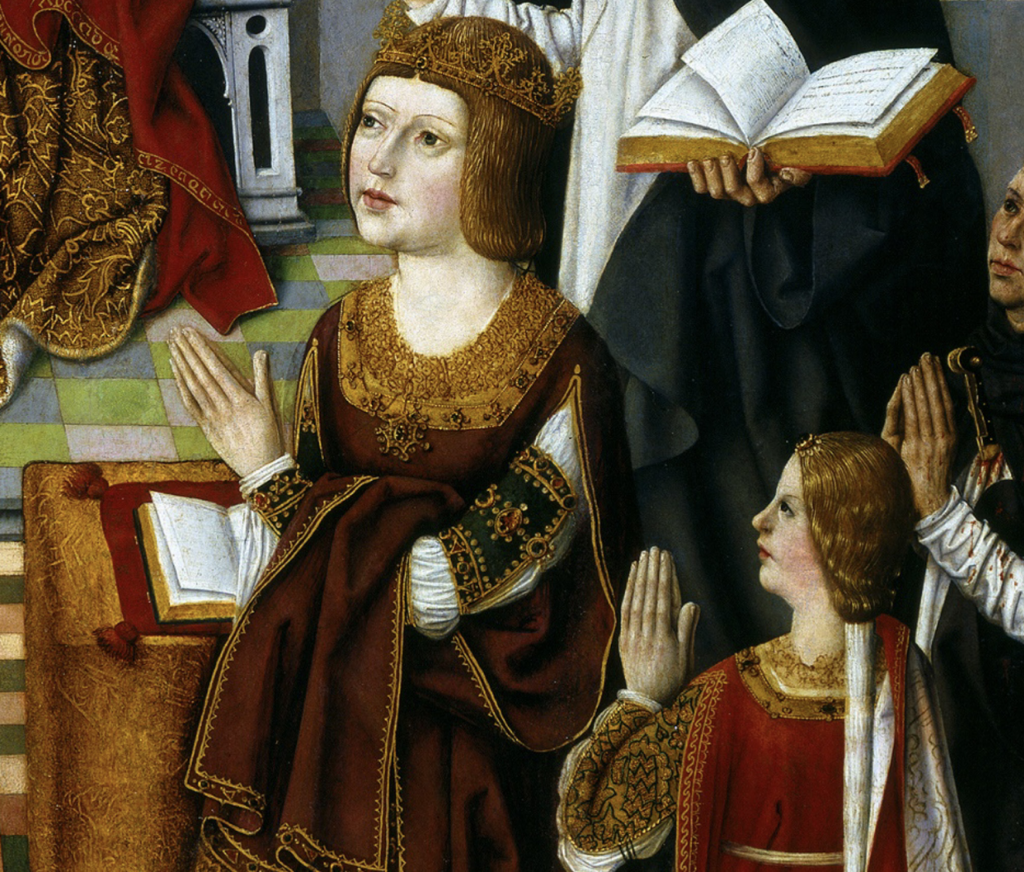
Resumen: En el presente trabajo se analizan las referencias localizadas en documentos y crónicas alusivas a las joyas que pertenecieron a Isabel I de Castilla, en función de los poderes que se les atribuyeron y de los múltiples usos que se les dieron como joyas de Estado, moneda de cambio, elementos de enriquecimiento material y visual de prendas y complementos, o piezas de carácter religioso que permiten conocer las devociones más privadas y personales de la reina.
Abstract: This paper analyses the references founded in documents and chronicles alluding to the jewels that belonged to Isabel I of Castile, the powers attributed to them and its different uses as state jewels, currency, mere elements of material and visual enrichment of garments and accessories, or religious objects, providing information about the queen’s most private and personal devotions.
31
Dec
Dec
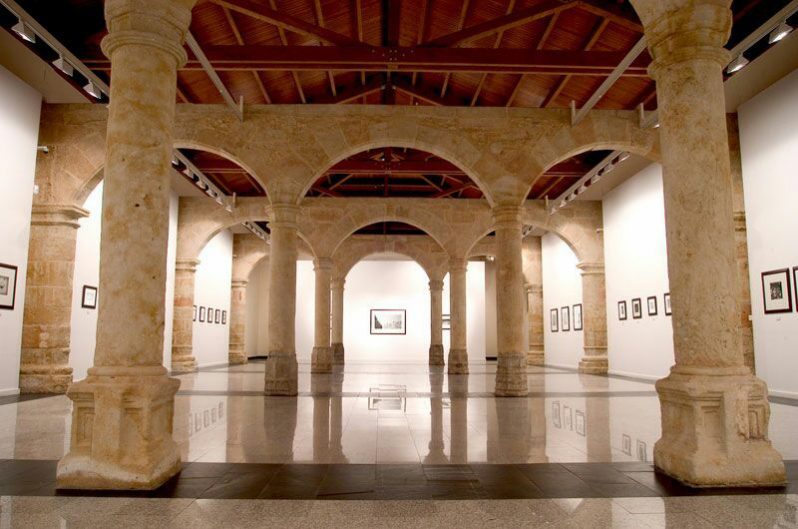
Resumen: En este trabajo se analiza la fugaz institución del colegio de Santo Domingo de la Cruz en el convento de San Esteban de Salamanca (1535- h. 1551), cuyo edificio funciona como principal testimonio de una época dorada del ámbito académico de la Orden de Predicadores en la ciudad. La tipología y disposición del colegio permanecen como vestigio de aquellas arquitecturas residenciales empleadas para la formación, aunque en este caso terminaría por cumplir otras funciones prácticas entre finales del siglo XVI y el siglo XX.
Abstract: This paper analyses the brief establishment of the college of Santo Domingo de la Cruz in the convent of San Esteban de Salamanca (1535- ca. 1551), a building that functions as one of the main testimonies of a golden age of the academic sphere of the Order of Preachers in the city. The typology and layout of the college remain as a vestige of those residential architectures used for training, although in this case it would end up fulfilling other practical functions between the end of the 16th century and the 20th century.
Artículos
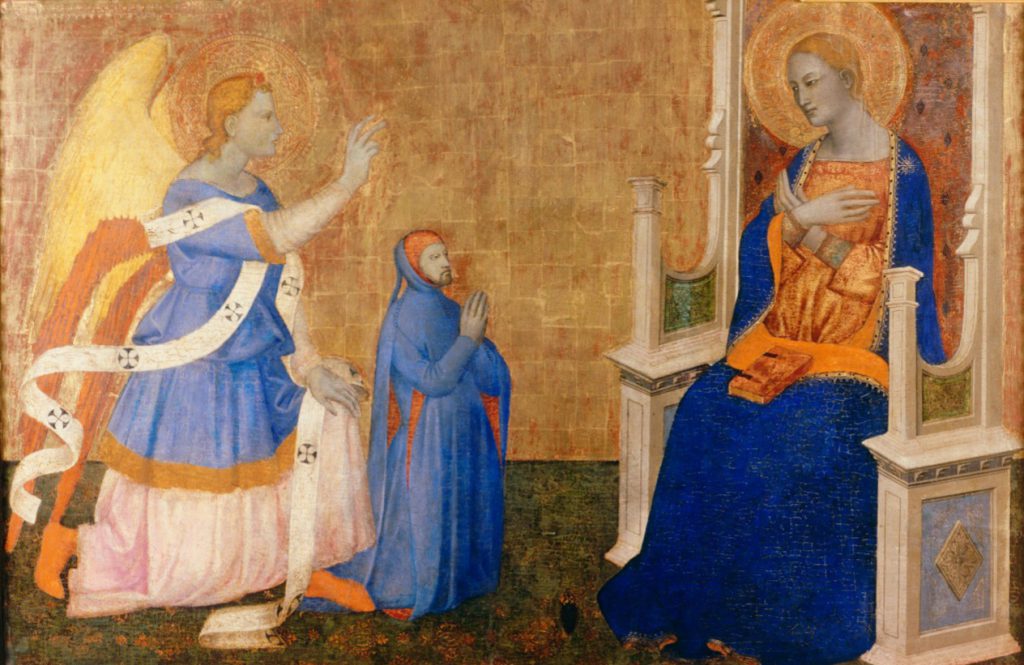
Arte medieval en Puerto Rico: estado de la cuestión inicial sobre colecciones y recursos medievales
31
Dec
Dec
Resumen: En este trabajo se expone un breve estado de la cuestión sobre los recursos de arte medieval disponibles en Puerto Rico, que incluye estructuras, objetos u obras de arte de impronta medieval o cuya cronología se circunscribe a los últimos siglos de la Edad Media (siglo XIV al XV). Se establecen dos categorías: recursos que desde su origen se han encontrado en Puerto Rico y recursos importados en el siglo XX, siendo de especial interés las estructuras arquitectónicas, así como manuscritos y pinturas. Esta breve exposición se circunscribe en un trabajo de investigación de mayor envergadura desarrollado en el Centro de Estudios Medievales y Renacentistas (CEMyR), en la Universidad de Puerto Rico, Recinto de Río Piedras.
Abstract: This paper provides an overview of the current status of research on medieval art resources available in Puerto Rico, including buildings, objects, and works of art with ‘medieval’ characteristics, or created within the Late Middle Ages (14th and 15th centuries). Two categories are established: resources originally created in Puerto Rico and different works of art imported in the 20th century, paying special attention to buildings, manuscripts, and oil on wood paintings. This overview is part of a larger research project within the Centro de Estudios Medievales y Renacentistas (CEMyR), in the University of Puerto Rico, Río Piedras Campus.
Artículos
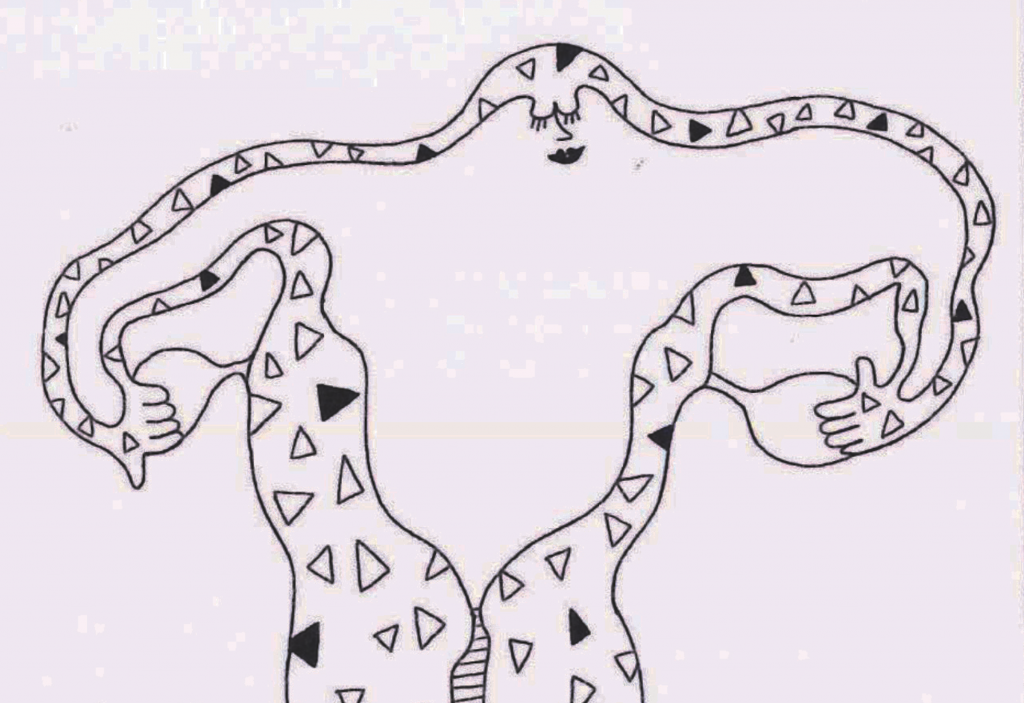
Cómics, punk e ilustraciones: una mirada a los zines hechos por mujeres en Puerto Rico (1997-2019)
14
Jun
Jun
Resumen: Los zines son publicaciones independientes y autogestionadas, usualmente de bajo costo, pero con profundas preocupaciones estéticas por parte de sus creadores/as. El ámbito en que se desarrollan va frecuentemente ligado a escenas musicales no tradicionales, como es el punk. Si bien estos ambientes en los que se crean y se distribuyen son predominantemente masculinos cisgénero, a partir de los años noventa comienzan a destacar publicaciones independientes hechas por mujeres, cuya trayectoria las ha llevado a aumentar su visibilidad. Este artículo presenta un acercamiento histórico a las aportaciones de los principales zines realizados por mujeres en el archipiélago puertorriqueño, con un estudio de sus temáticas y de los intereses de sus creadoras.
Abstract: Zines are independent, mostly low-cost, self-made publications, which can reflect the profound aesthetic concerns of their creators. These publications are often developed in relation to underground music scenes, such as punk. While these are mostly cisgender male-oriented environments, women have been publishing zines and comics in Puerto Rico since the 1990s, and their presence and visibility have also been on the rise. This article presents a herstorical approach to the contributions made by women’s zines in the Puerto Rican archipelago, focusing on the specific themes and interests of their creators.
14
Jun
Jun
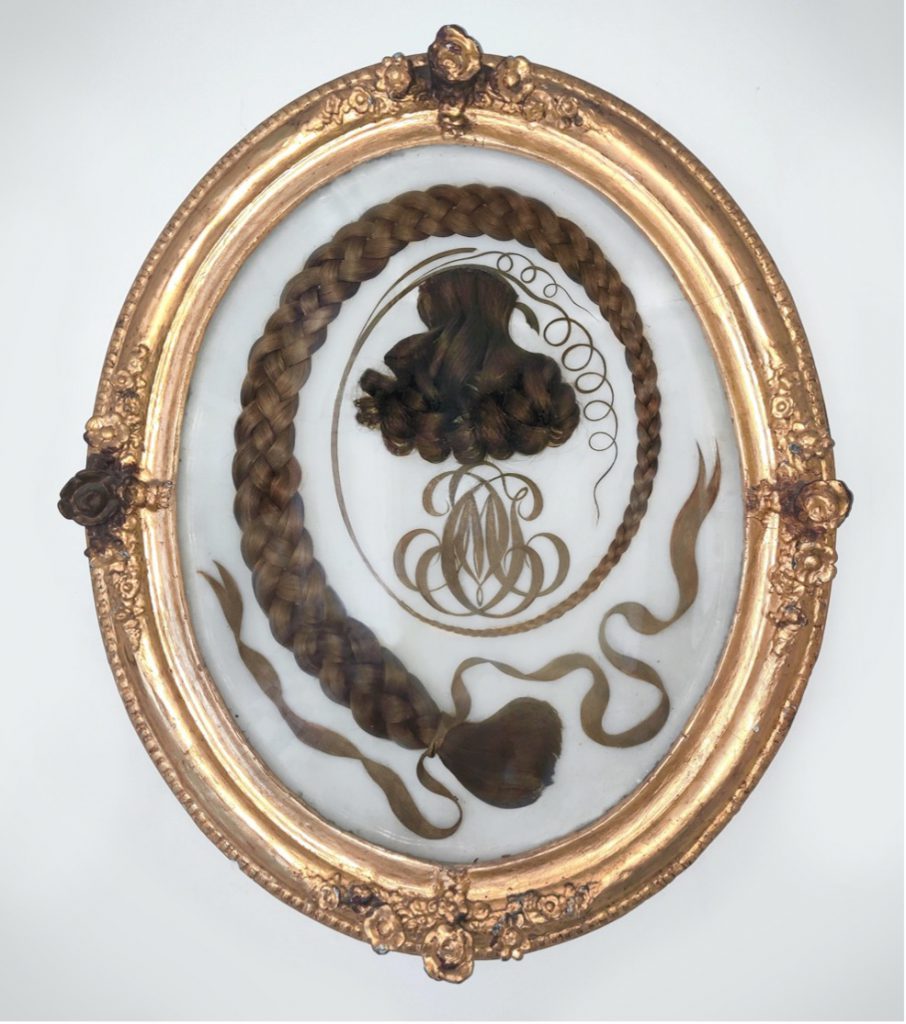
Resumen: Diferentes conflictos bélicos y epidemias incrementaron notablemente la mortalidad en el siglo XIX a través de occidente, algo que tuvo gran influencia en determinadas expresiones artísticas y artesanales del periodo, cuyo interés era guardar el recuerdo de las personas allegadas. En algunas de ellas, principalmente realizadas por mujeres, el cabello humano es protagonista, puesto que se convertía en un medio que lograba conservar la memoria tangible. El Museo Casa Cautiño, en Guayama (Puerto Rico), custodia dos obras de este género artístico, realizadas con los cabellos de Juana Monserrate Vázquez, de las que aquí se desarrolla un análisis formal e iconográfico, en el marco de su contexto familiar e histórico.
Abstract: In the nineteenth century, various war conflicts and epidemics increased mortality significantly in the Western world, greatly influencing the work of artists and artisans at the time, who sought to keep alive the memories of loved ones. In some of these artworks, mainly made by women, human hair functions as a principal medium aimed at preserving tangible memory. The Casa Cautiño Museum in Guayama (Puerto Rico) has two works of this genre, made from Juana Monserrate Vázquez’s hair. Here they are both subjected to a formal and iconographic analysis, in a family-oriented and historical context.
14
Jun
Jun
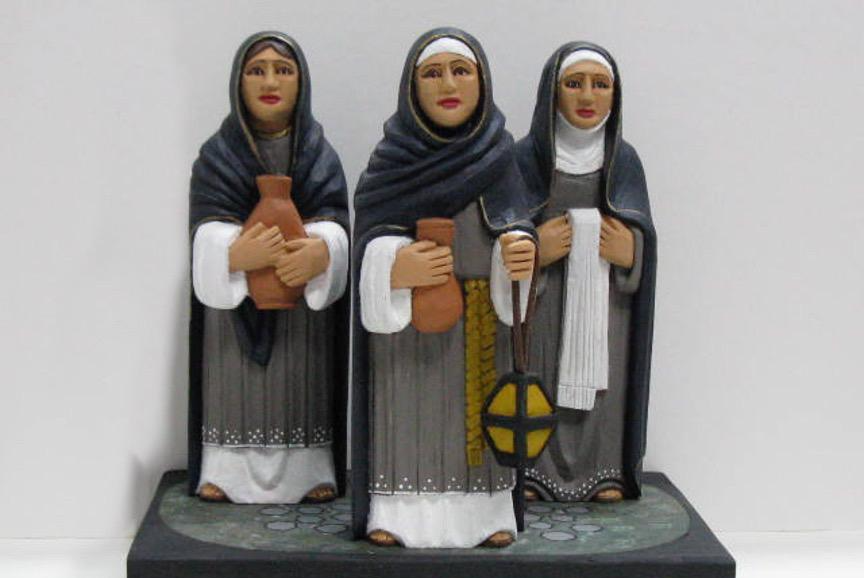
Resumen: Aunque se estima que los inicios de la talla de santos se dieron en el periodo de la colonización española de la isla, cuando la Iglesia Católica, en su misión evangelizadora, enfatizaba el culto de las imágenes religiosas, escasean las menciones históricas a mujeres talladoras antes del siglo XX. A lo largo del pasado siglo y en el presente, comienzan a destacar nombres de mujeres entre quienes crean estas tallas. La labor de las Talladoras de santos se incorporará a la tradición de los “santeros”, una práctica anteriormente dominada por hombres, contribuyendo además con sus aportaciones a la tradición.
Abstract: While the beginnings of the santos carving tradition is considered to occur during the Spanish colonization of the island, when the Catholic Church, on its evangelizing mission, placed emphasis on the veneration of religious images, historical mentions to women carvers before the 20th century are scarce. Throughout the past century up to the present, some women’s names begin to be highlighted as carving creators. The work of the Women Santos wood carvers will be included in the santos carver’s tradition, formerly under a male dominance, while they also actively contribute to the tradition.
Artículos
Historias por escribir: cuestiones sobre género en cinco aportaciones a la historia del arte en Puerto Rico
14
Jun
Jun
Resumen: Este número reúne un grupo de recientes investigaciones sobre la historia del arte en Puerto Rico, en las que un conjunto de mujeres son protagonistas, tanto en el ámbito de la creación como en determinados aspectos de su identidad y su iconografía, entre otros. A través de acercamientos tanto histórico-artísticos como historiográficos, se documentan e interpretan unas producciones que plantean un reto para distintas facetas de la disciplina, en sus propios contextos temporales y culturales, y que aquí se estudian reconociendo su valiosa aportación a este campo de conocimiento.
Abstract: This issue features recent research in art history in Puerto Rico, focusing on a group of women as protagonists, either as creators or in different aspects of their identity and iconography. Using both art historical and historiographic approaches, documentation and interpretation is provided in terms of how these women challenge different aspects of the discipline within temporal and cultural contexts, and in recognition of their important contributions to this field of knowledge.
14
Jun
Jun
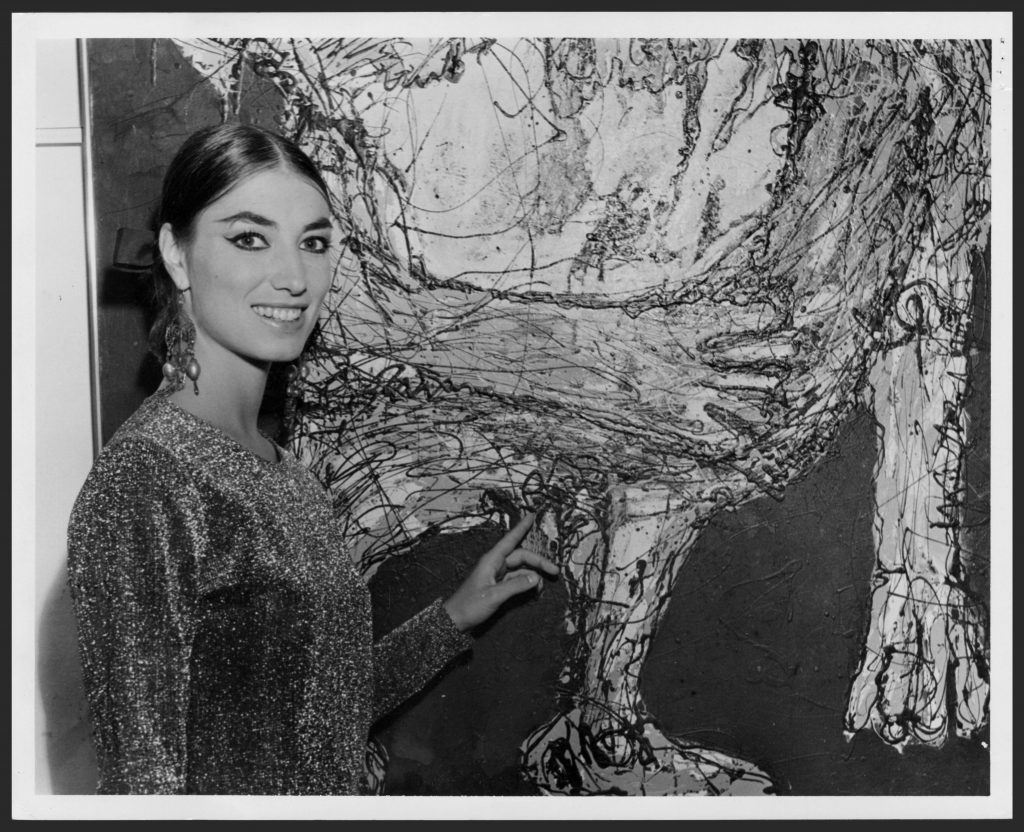
Resumen: Este ensayo traza la carrera de Suzi Ferrer, comenzando con la que es su obra más temprana conocida y culminando con un breve estudio de la que la artista consideraba su obra más madura: una serie de instalaciones que produjo en la primera mitad de la década de 1970. Este cuerpo de trabajo se analiza a través del lente de arte pop proto-feminista, donde se puntualiza la sexualidad y el placer femenino. Ferrer, de manera similar a otras artistas Pop de su generación e imbuida en el movimiento de liberación sexual y el feminismo de la segunda ola, creó obras que subvirtieron el statu quo político y social.
Abstract: This essay maps Suzi Ferrer’s career, beginning with her earliest known work and culminating with a brief study of a work that the artist considered her most mature: complex, immersive art installations she produced in the first half of the 1970s. This body of work is discussed through a proto-feminist Pop art lens, where female sexuality and pleasure are at the forefront. As with other female Pop artists of her generation, Ferrer created works that subverted the political and social status quo, which were influenced by the sexual liberation movement and the second-wave feminism.
Artículos
El rizo y la trenza: el pelo de las mujeres negras en el arte puertorriqueño y su conexión con el Caribe
14
Jun
Jun
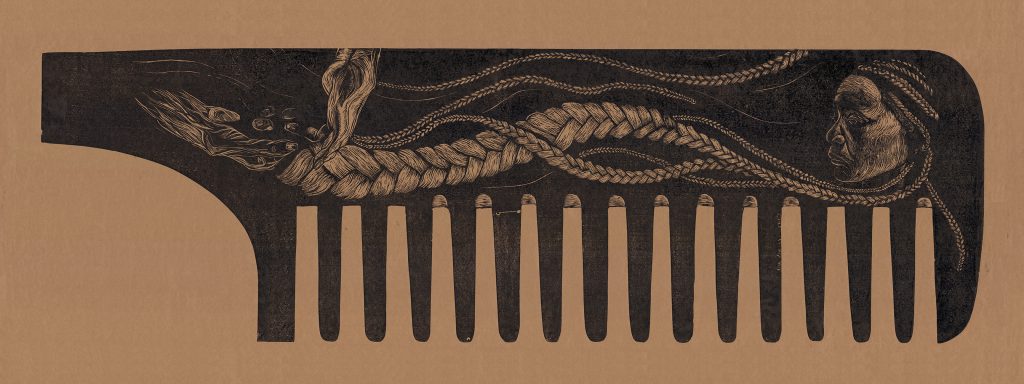
Resumen: A través de imágenes asociadas al pelo de las mujeres afrocaribeñas, las artistas puertorriqueñas Nitzayra Leonor, Zuania Minier y Yolanda Velázquez articulan un discurso de resistencia contra el control de los cuerpos de las personas negras, y en especial de las mujeres, por parte de los hombres blancos. Su propuesta artística rescata su historia y la historia de las mujeres afrodescendientes en el Caribe y América y establece lazos entre todas ellas y con sus ancestras en el continente africano. La obra se analiza en el contexto de la historia reciente del arte caribeño, y se establece un diálogo entre piezas que usan también la cabellera como punto de partida para la crítica racial y de género, en el resto del Caribe.
Abstract: Through images associated with Afro-Caribbean women’s hair, Puerto Rican artists Nitzayra Leonor, Zuania Minier, and Yolanda Velázquez articulate a discourse of resistance against the control of Black bodies, especially Black women’s bodies, by white men. The works of these artists seek to liberate their own histories and the histories of African diasporic women in the Caribbean and the Americas and establish ties between them and their ancestors on the African continent. The artwork is examined within the context of recent Caribbean art history and a dialogue is established between works that also use hair as a starting point for racial and gender critical analysis around the Caribbean.
02
Jan
Jan
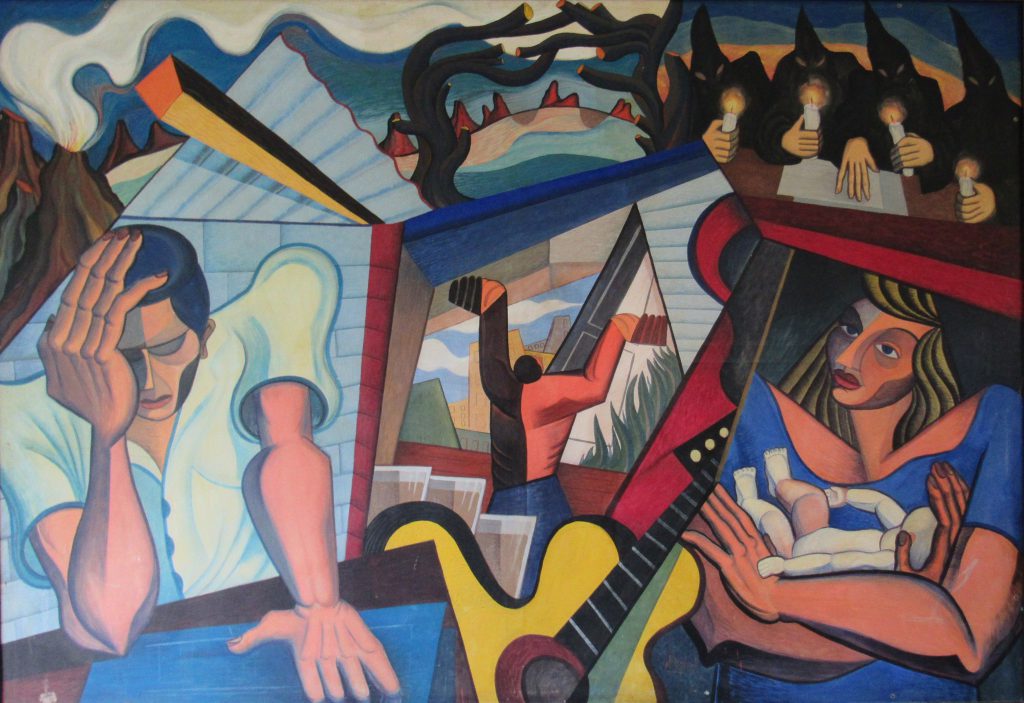
Resumen: La formación artística de Narciso Dobal fue como su obra: muy poco convencional. A pesar de habérsele presentado oportunidades que no todos los artistas de su generación tuvieron, la época en que vivió estuvo marcada por la guerra y otros conflictos económicos y sociales. Interesado en el arte desde niño, Dobal se vio acompañado en sus años escolares y universitarios por prominentes figuras de las artes visuales y la literatura. Siendo así, al acercarnos a esta primera etapa de su desarrollo artístico obtenemos un atisbo de la escena artística en el Puerto Rico de la década de 1930.
Abstract: Narciso Dobal’s artistic training was, like his work, very unconventional. Despite he had opportunities that not all artists of his generation could aspire to had, the time he lived in was marked by war and other economic and social conflicts. Interested in art since childhood, Dobal was accompanied in his school and university years by prominent figures in the visual arts and literature. Thus, as we approach this first stage of its artistic development, we obtain a glimpse of the artistic scene in Puerto Rico in the 1930s.
23
Oct
Oct
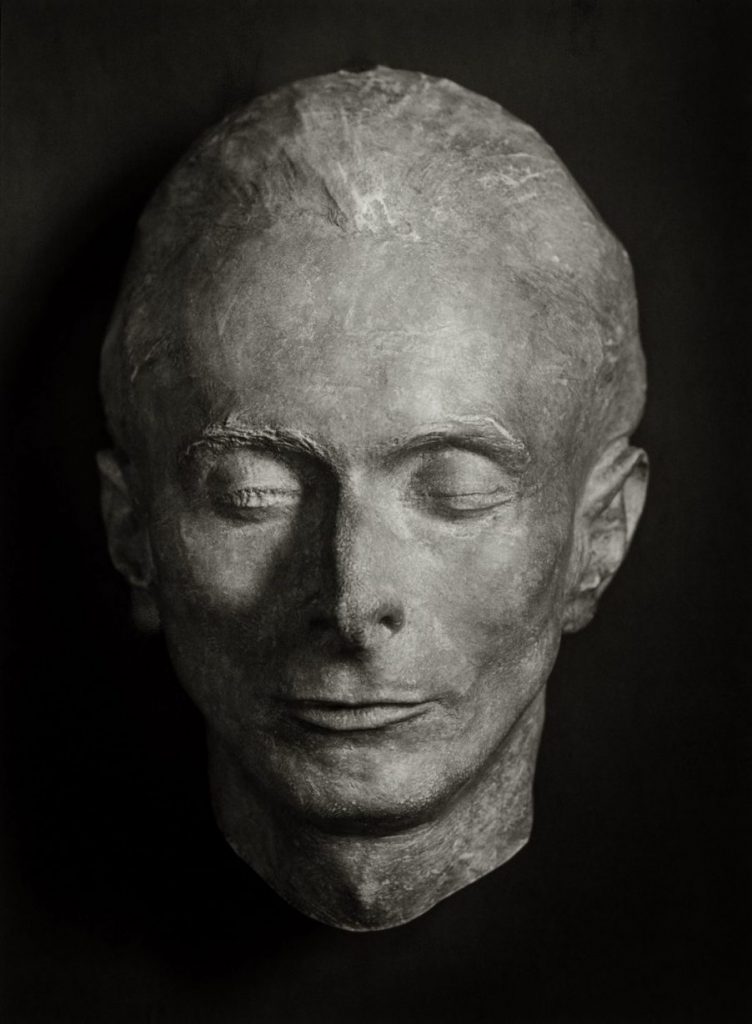
Resumen: Menschen des 20. Jahrhunderts (Gente del siglo XX) es el vasto proyecto fotográfico que August Sander desarrolló, no sin dramáticos obstáculos, a lo largo de cuatro décadas. La fotografía que cierra este extraordinario archivo es la de la máscara mortuoria de su hijo mayor, Erich. Esta elección del fotógrafo alemán abre una serie de distintos planteamientos que incitan a la reflexión, entre los que están la mirada del autor y su relación con el sujeto protagonista, el contenido histórico de la imagen y su carga política, su composición, su valor documental y de índice, su cuestionable objetividad, así como su contexto en el marco de la fotografía coetánea y su simbólica función en la producción del artista.
Abstract: Menschen des 20. Jahrhunderts (People of the 20th Century) is the vast photographic project that August Sander developed, not without dramatic obstacles, over four decades. The photograph that ends this extraordinary archive is that of the death mask of his eldest son, Erich. The decision of this German photographer opens a series of different questions that provokes a reflection on the author’s gaze and his relationship with the subject, the historical content and the political weight of the image, its composition, its documentary and indexical value, its questionable objectivity, and its place in the context of coetaneous photography and its symbolic function in the artist’s work.
Artículos
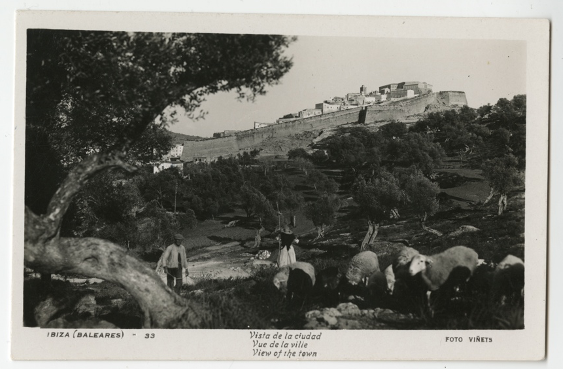
Una postal d’Eivissa/Ibiza: imagen, paisaje, experiencia y narración en la época de la prototuristización
23
Oct
Oct
Resumen: Partiendo de la conexión entre un corto relato (“La muralla”), una postal y lo que se puede reconstruir de la experiencia de Walter Benjamin en Eivissa/Ibiza (1932-1933), se propone un análisis de la interrelación entre la narración, la imagen, el paisaje y la percepción de Eivissa, su situación y su transformación en esa época, por parte de un intelectual viajero/turista como él. La Ibiza de Benjamin, cómo aparece en sus textos o cómo parece influir en sus ensayos, nos dice sin embargo mucho del pensamiento, los métodos y los prejuicios del pensador, quizás más de él que de la isla.
Abstract: Following the link between a short story (“The Wall”), a postcard, and what can be reconstructed from Walter Benjamin’s experience in Eivissa/Ibiza (1932-1933), the author proposes an analysis of interrelationships between narration, image, landscape, and the perceptions of Ibiza —its situation and transformation during those times— by a traveler/tourist intellectual like him. How Benjamin’s Ibiza is pictured in his texts, and how it seems to influence his essays, says a lot about his thinking, methods and prejudices, maybe more about himself than about the island.
23
Oct
Oct
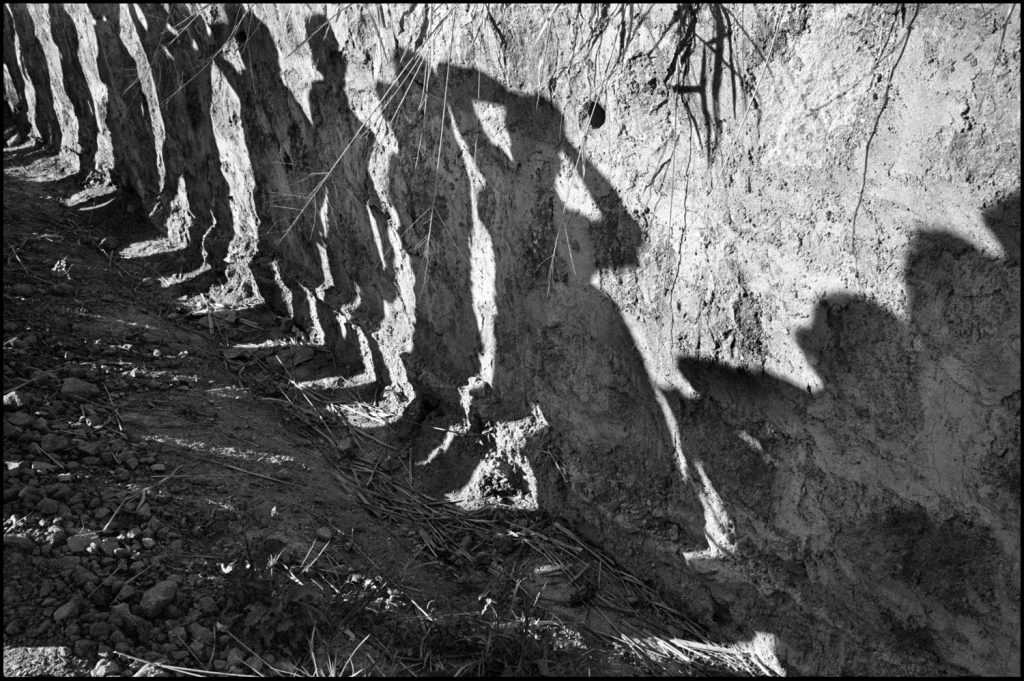
Resumen: Unas imágenes que la fotorreportera estadounidense Susan Meiselas realiza en 1980, en El Salvador, se exploran bajo la óptica abarcadora de la fotografía de guerra y atendiendo a un análisis deudor del poder de reflexión y de información que propicia ese género fotográfico. En particular, el foco de este análisis es el concepto de la invisibilidad, como un elemento clave en la representación de la violencia. Se examina en qué medida la invisibilidad logra propiciar el poder mostrativo y reflexivo de la imagen fotográfica, y transformarla en una mediación para ser cuestionada como algo más que en una fuente dogmática de la verdad.
Abstract: Some images taken by American photojournalist Susan Meiselas in El Salvador in 1980 are explored under the wide optics of war photography and analyzing the power of reflection and information this photographic genre favors. Particularly, this analysis is focused on the concept of invisibility, as a key element in the representation of violence. This article also examines how invisibility succeeds in fostering the demonstrative and reflective power of the photographic image, and transforming it into a mediation to be questioned as something else rather than a dogmatic source of truth.
Artículos
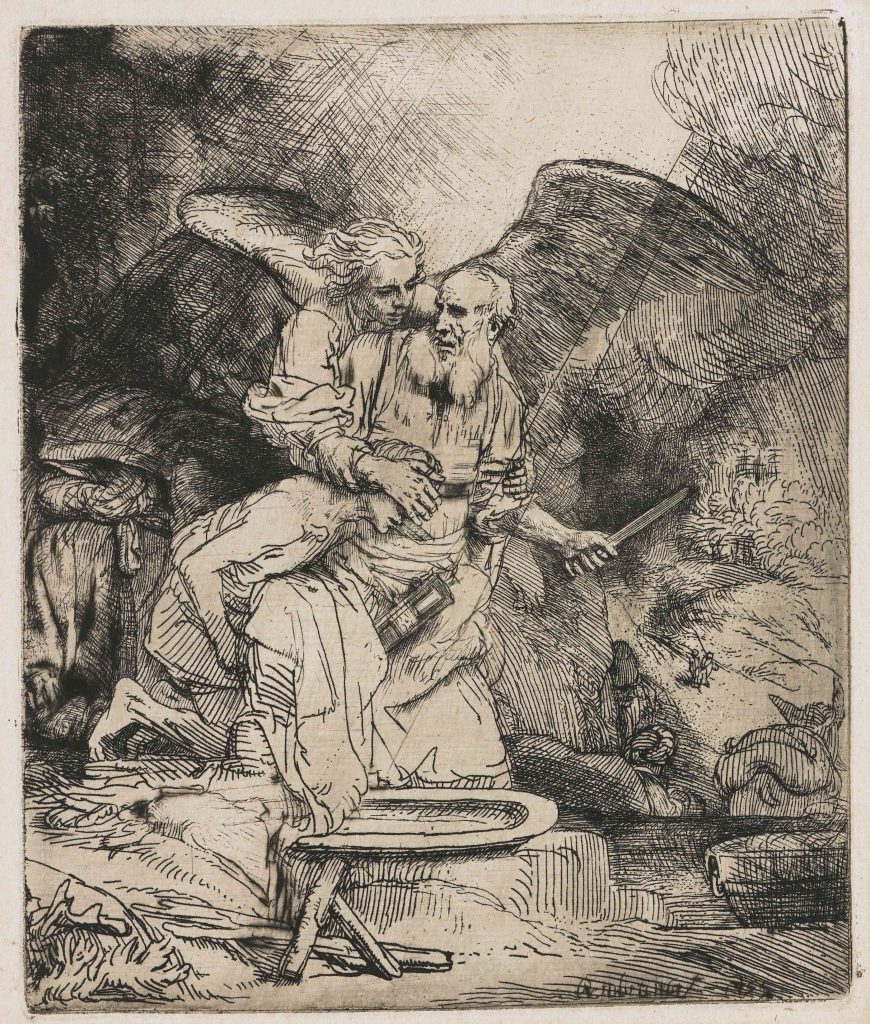
La imagen, la palabra y el tacto: El sacrificio de Abrahán de Rembrandt y la gráfica como un ejercicio de intimidad
23
Oct
Oct
Resumen: Este estudio del aguafuerte El sacrificio de Abrahán (1655) de Rembrandt analiza su iconografía y el rompimiento parcial con la palabra, a través del énfasis en lo háptico y la hexis corporal. La imagen se analiza a la luz de distintos datos biográficos del artista holandés y de información sobre las diferencias entre la gráfica holandesa del siglo XVII y la pintura, en cuanto a dimensiones, coleccionismo y los hábitos del espectador.
Abstract: This study of Rembrandt’s etching The Sacrifice of Abraham (1655) analyzes its iconography and its partial break with the word, through the artist’s emphasis on bodily hexis and the print’s haptic qualities. The image is analyzed to the light of biographical information about the Dutch artist, the differences between Dutch prints of the 17th century and painting, with regards to dimensions, collecting and the spectator’s habits.
- 1
- 2